
Own Your Age
Say it loud and proud!

For years, I avoided saying my age out loud.
Not because I didn’t know it.
Not because I was ashamed of the number.
But because I knew what might come next.
The raised eyebrow.
The subtle shift in tone.
The invisible recalculation of my relevance.
Judged by what, exactly?
By caricatures.
By the tired stereotypes of what “old” supposedly means: slow, rigid, forgettable, fragile, technologically confused, fading into the background of culture rather than shaping it.
And somewhere along the way, many of us quietly absorbed the message:
Better to be “ageless” than aged.
Better to pass than proclaim.
But what if the most radical act in a youth-obsessed culture is this:
Own your age. Out loud and proud!
When Ageism Got a Name
In 1968, pioneering gerontologist Robert N. Butler gave a name to something that had been quietly shaping society for decades.
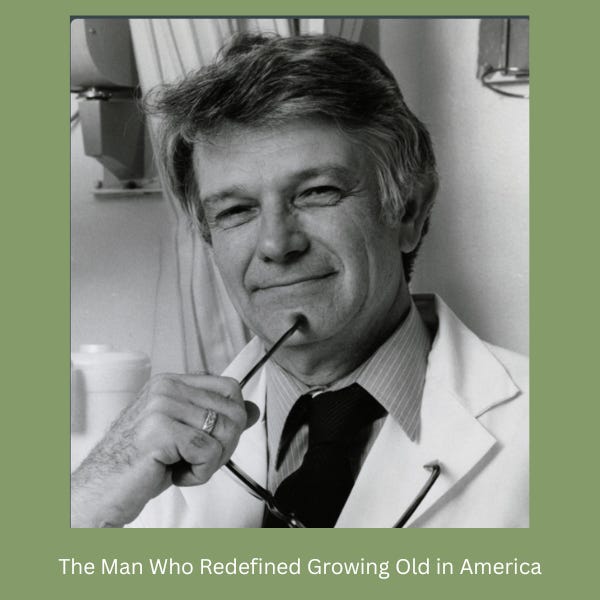
During an interview with then-young Washington Post reporter Carl Bernstein, Butler coined the term “ageism.”
He recognized it immediately as part of the family of destructive “isms” — racism, sexism — systems of prejudice that marginalize entire groups of people based on a single characteristic.
Ageism, he argued, was discrimination based solely on chronological age.
Dr Robert Butler: The Man Who Redefined Growing Old in America
Butler didn’t just name the problem. He worked to change it.
As the founding director of the National Institute on Aging, he served for seven years, expanding research on aging and significantly increasing public awareness of Alzheimer’s disease. The NIA still exists today with a powerful mission: to understand the nature of aging and extend the healthy, active years of life.
Butler saw something most of society still struggles to grasp:
Aging is not decline.
It is development.
The Quiet Cost of Hiding Our Age
When we whisper our age — or dodge it — we unintentionally reinforce the idea that it is something to conceal.
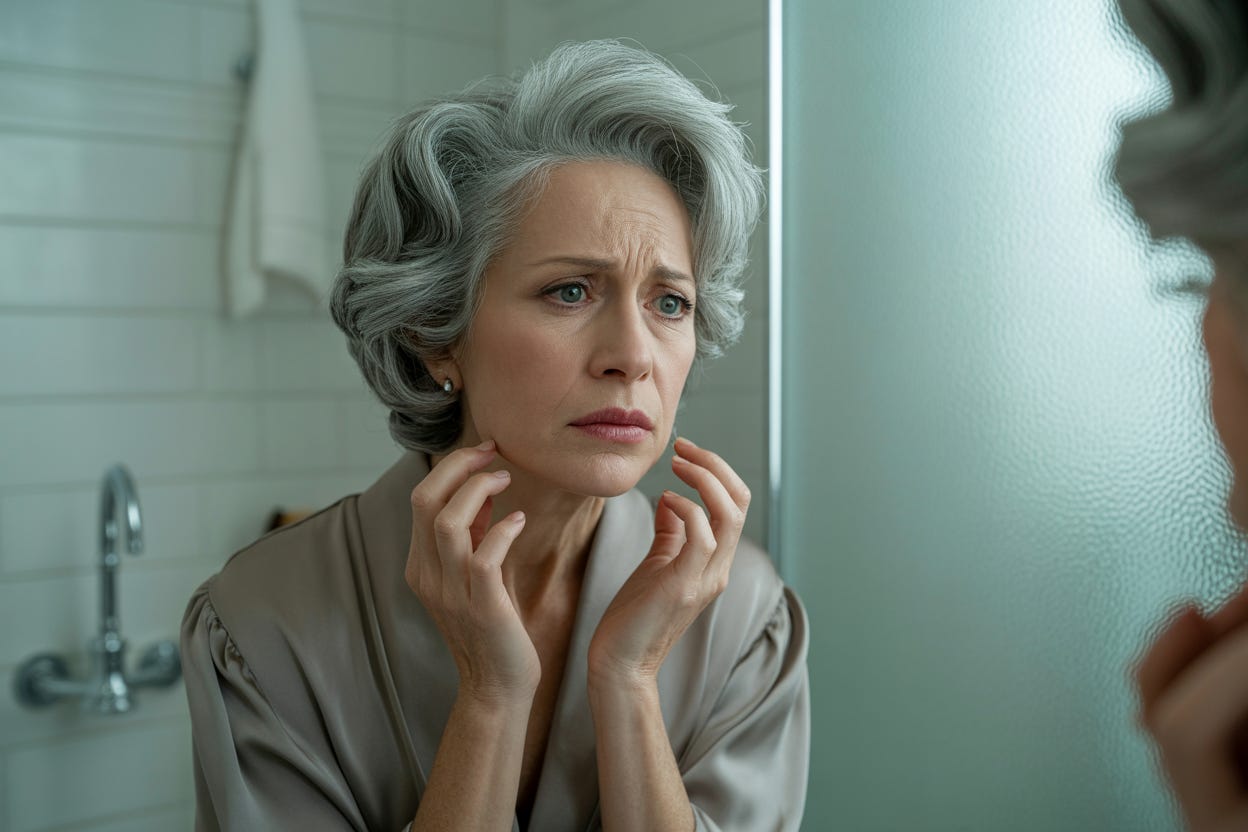
But every time we say our age confidently, we disrupt the narrative.
We say:
I am not a stereotype.
I am not your caricature.
I am a living, evolving human being with decades of experience behind me and purpose ahead of me.
There is something deeply grounding about claiming your years.
It anchors you in truth.
It stabilizes your identity.
It frees you from performing youth.
And it boosts something far more powerful than appearance:
self-respect.
Owning Your Age Is a Cultural Act
When you own your age, you:
Embrace life as a privilege, not a problem.
Strengthen your mental positivity by aligning with reality rather than resisting it.
Leverage your accumulated wisdom instead of apologizing for it.
Model strength for younger generations who are watching how aging is done.
Owning your age turns it into an asset instead of a liability.
It transforms “older” from an insult into an achievement.
And in doing so, you don’t just liberate yourself.
You chip away at ageism for everyone.
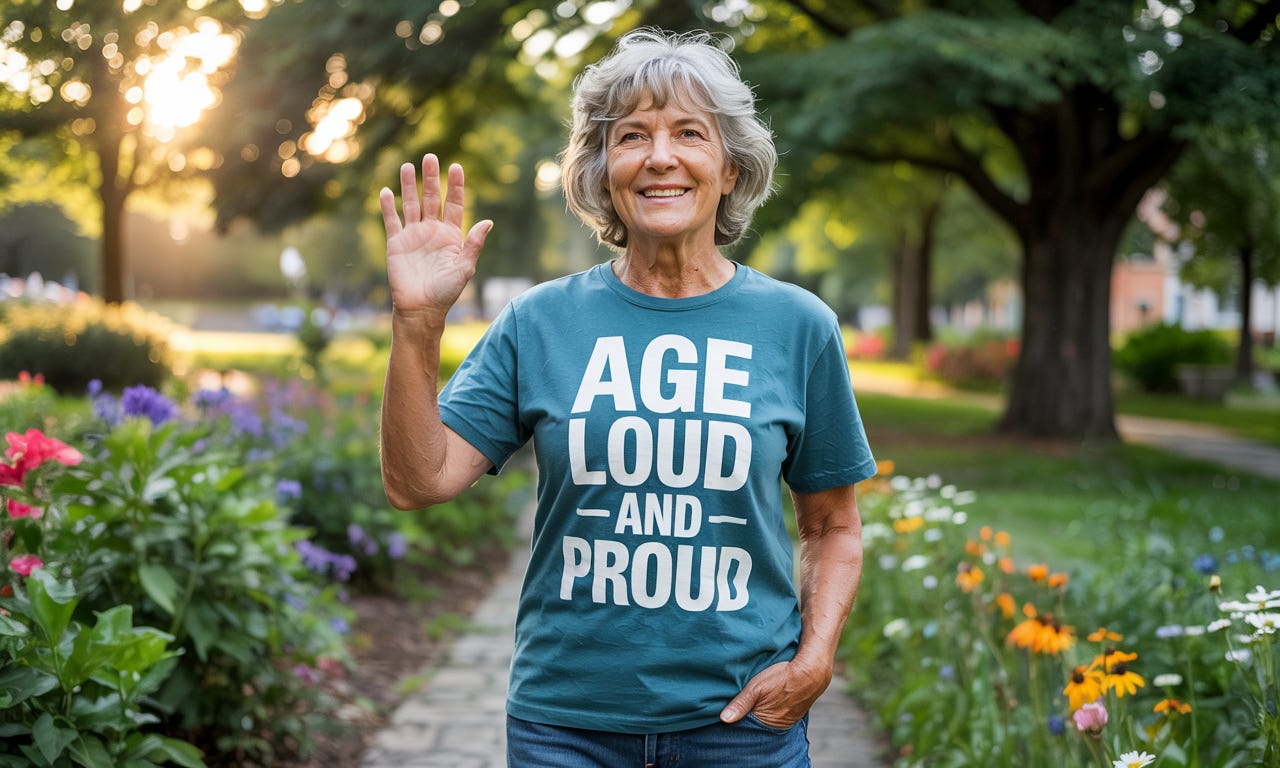
Strength and Survivorship
Activist Maggie Kuhn, founder of the Gray Panthers, said it plainly:
“Old age is not a disease — it is strength and survivorship, triumph over all kinds of vicissitudes and disappointments, trials and illnesses.”
Strength.
Survivorship.
Triumph.
That is what your age represents.
Every wrinkle contains a story.
Every gray hair marks endurance.
Every birthday is evidence that you are still here — still learning, still contributing, still becoming.
So say your age.
Own it in rooms where people assume invisibility.
Own it in spaces that prize youth.
Own it as proof of resilience.
Because aging is not a liability.
It is earned authority.
It is accumulated wisdom.
It is lived courage.
And in a culture that often fears aging, owning your age is a quiet revolution.