
Retirement.
It doesn’t have to be one of life’s greatest traumas

In our culture, retirement is framed as a reward.
Work hard. Save diligently. Hang on. And one day, freedom arrives.
When retirement is seen this way, people prepare financially (sometimes), fantasize about all the things they’ll finally get to do, and wait for life to open up.
What they don’t prepare for is the transition itself—the emotional, psychological, social, and practical shift that comes when a long-held role, structure, and identity fall away.
Our culture celebrates the reward, but it rarely prepares us for the crossing.
And that missing half of the story is why so many people are caught off guard.
We’ve been taught to prepare for the reward of retirement—but not for the transition it requires. And that missing half of the story is why so many people feel unprepared.
Dr. Riley Moynes famously describes retirement as one of life’s top ten traumas.
That statement alone stops people in their tracks.
And to be fair—he’s not wrong if retirement is approached reactively.
In his research on the Four Phases of Retirement, Dr. Moynes outlines a common emotional arc that many people experience after leaving full-time work. The first two phases are especially revealing—and unsettling—because they show us what happens when retirement is something we enter without intentionally designing.
But here’s the part that often gets missed:
It doesn’t have to be this way.
Phase 1: The Vacation Phase vs. Purpose (P)
Dr. Moynes: The Vacation Phase (1–2 years max)
This is the retirement most people imagine.
Checking off bucket-list trips
Enjoying freedom from schedules and deadlines
Sleeping in, traveling, “doing whatever I want”
This phase represents our retirement preconception—the dream we’ve been working toward for decades.
And it’s wonderful… for a while.
The challenge is that the Vacation Phase is fueled almost entirely by relief.
Relief from work. Relief from pressure. Relief from responsibility.
Relief, however, is not the same as meaning.
North of Now’s PATH: Purpose
In a proactive retirement model, enjoyment doesn’t disappear—but it’s anchored to something deeper.
Purpose answers questions most people don’t realize they’ll be asking so soon:
Who am I now that I’m not my job?
What actually matters to me at this stage of life?
Where do I want my energy and attention to go?
When purpose comes first, leisure becomes nourishing instead of distracting. Travel becomes expansive instead of escapist. Freedom becomes grounding, not disorienting.
Purpose doesn’t eliminate fun—it gives it context.
Phase 2: “Is That All There Is?” vs. Action & Transition (A + T)
Dr. Moynes: Feeling Lost and Experiencing Loss
This is the phase that earns retirement its reputation as traumatic.
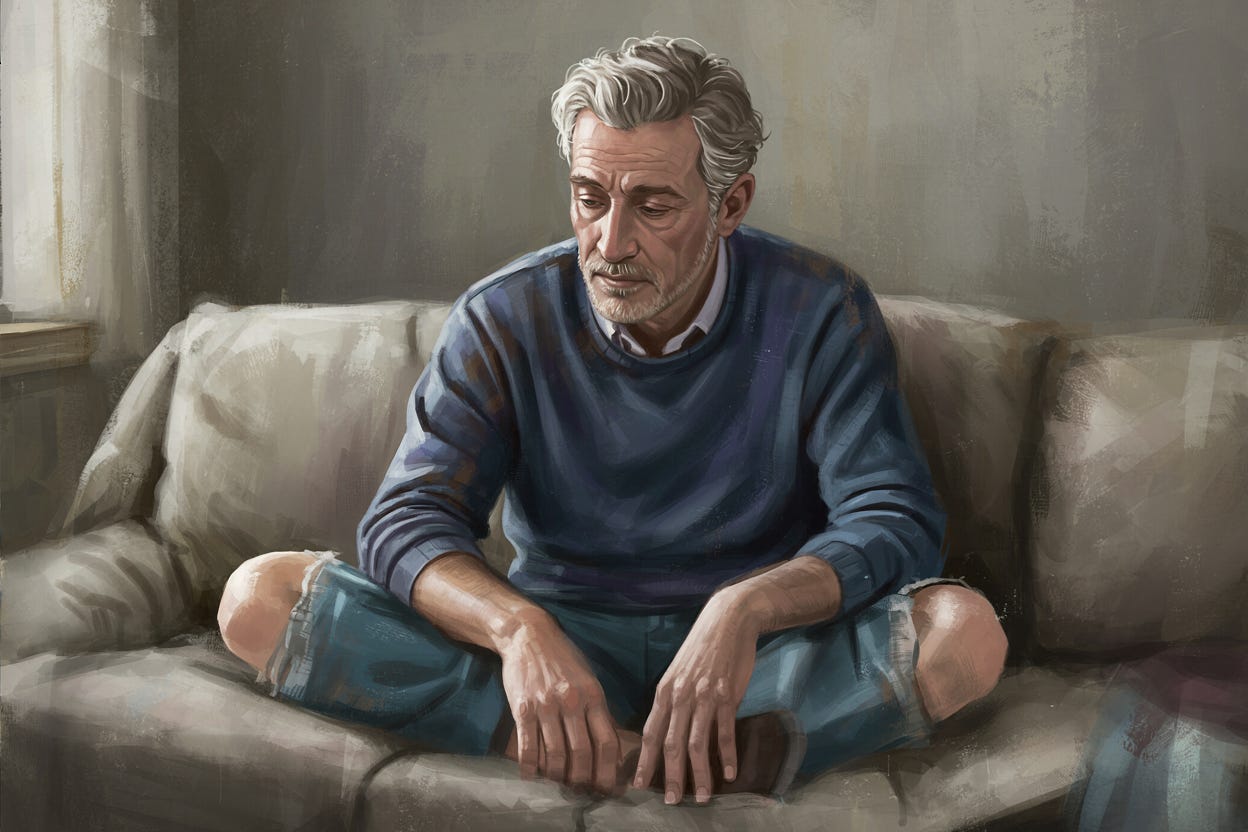
Dr. Moynes identifies five losses that tend to arrive all at once—unexpected and overwhelming:
Loss of structure
Loss of identity
Loss of relationships
Loss of purpose
Loss of power
Most people don’t see these losses coming because retirement is framed as a reward, not a life transition. When the novelty wears off, they’re left wondering, “Is this really it?”
North of Now’s PATH: Action and Transition
A proactive approach acknowledges the truth behind these losses—but refuses to be blindsided by them.
Action replaces lost structure with chosen structure.
Not rigid schedules, but rhythms that support health, curiosity, contribution, and growth.Transition honors the emotional and identity shifts instead of rushing past them.
This is where grief, reinvention, and self-trust are allowed to coexist.
Rather than losing identity, you update it.
Rather than losing relationships, you reshape your community.
Rather than losing power, you reclaim agency—this time on your own terms.
From Trauma to Transformation
Dr. Moynes’ work is invaluable because it tells the truth about what happens when retirement is entered passively.

The PATH to Retirement flips the narrative by asking a different question:
What if retirement isn’t something that happens to you—but something you consciously create?
Together, we step onto the P.A.T.H. to Retirement:
Purpose – reconnect with what matters now
Action – create a clear, practical plan
Transition – navigate emotional and identity shifts with support
Harmony – integrate purpose, leisure, health, and connection
When approached proactively, retirement isn’t a cliff you fall off after work ends.
It’s a bridge—one you cross with intention, clarity, and confidence.
A Gentle Invitation
I offer a one-hour Retirement Clarity Session for people who don’t want to “wing it” and hope for the best.
It’s designed for anyone who:
Feels uneasy about what comes after the vacation phase
Senses there’s more available in this chapter—but isn’t sure how to shape it
Wants an intentional, fulfilling retirement rather than a reactive one