
Transitioning...
Into a Space That No Longer Exists

A transition is never easy. It’s the unsettling process of letting go of an old identity, enduring the confusing “nowhere” of in-betweenness, and slowly launching into something new. Every transition—whether personal, professional, or emotional—requires courage. It changes not only us but also the relationships and rhythms of life around us.
The transition we’ve long been taught to expect in later life—“retirement”—no longer exists in the way we imagine it.
For decades, the story was simple: work hard, save diligently, turn 65, and retreat into leisure. The very word retire comes from the French retirer, meaning to withdraw. That definition may have made sense in 1940, when President Franklin D. Roosevelt’s Social Security Act created a retirement system at a time when the average American life expectancy was about 63. You worked until your mid-60s because, frankly, few people lived much beyond it.
But today, in 2025, the average life expectancy hovers near 74—and many of us will live well into our 80s, 90s, or even 100s. Yet we’re still trying to apply a mid-20th-century framework to a 21st-century life. No wonder so many people feel lost in this so-called “next chapter.”
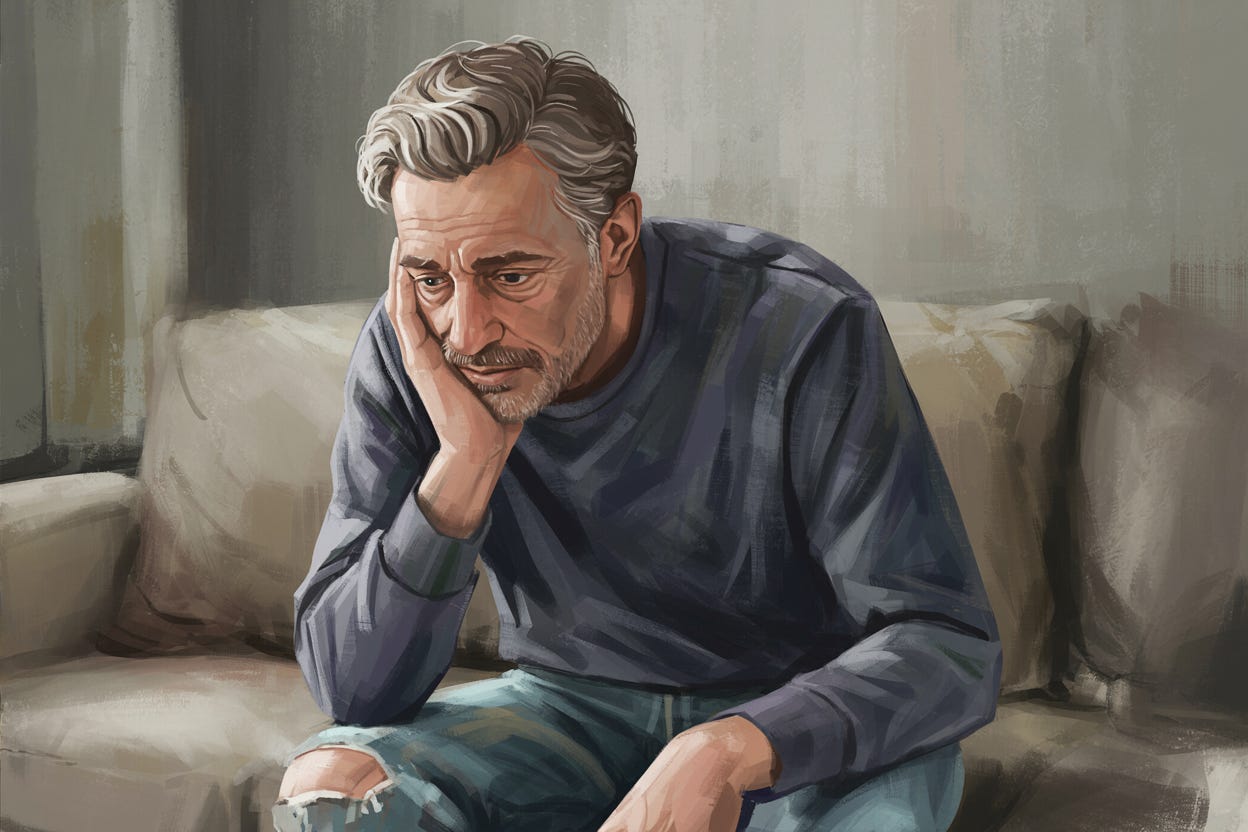
We’ve been preparing to transition into a space that simply no longer exists.
The Myth of Retirement
The old retirement model was designed for a shorter life span and a more predictable world. It assumed that our value would diminish as our working years ended, and that withdrawal was both necessary and desirable. But the truth is, we are not wired to withdraw. We are wired to grow, create, contribute, and connect—at every age.
This mismatch between old expectations and modern reality is what makes today’s transition into the Third Age so disorienting. We know we’re not done. Yet society hasn’t given us a new roadmap.
Rethinking Aging and Purpose
Dr. Catherine Rickwood, an Australian expert on longevity, said it best in her TEDx talk: we must stop blindly following the path of retirement just because previous generations did. She challenges us to rethink aging not as decline, but as expansion. With longer lives come longer opportunities—to contribute, to collaborate, to experiment with new ways of living and working.

Dr. Rickwood imagines organizations that embrace intergenerational job-sharing—where older workers partner with younger colleagues to exchange time, skills, and energy. The younger employee might want more flexibility for family life; the older one may wish to work part-time while mentoring others or funding a long-dreamed-of adventure. When one travels, the other steps in. Both benefit. The company gains consistency, and the culture becomes richer through shared wisdom and fresh ideas.
It’s not a fantasy—it’s a preview of what’s possible when we let go of rigid roles and ageist assumptions.
The Growth Mindset of the Third Age
This new era demands a new mindset. We cannot fit the reality of 80-year lives into a structure built for 65. We cannot navigate modern longevity with outdated maps. The transition we face isn’t just personal—it’s cultural.

We are the first generation to live long enough to redefine what it means to grow older. That means we get to experiment, to rewrite, to create. And yes, that means sitting in the discomfort of uncertainty for a while. But that “in-between” is where the magic happens. It’s where old stories dissolve, and new ones take shape.
Let’s stop mourning the space that no longer exists and start building the one that does.
Reframing “Retirement” for a Longer, Brighter Life
The word retirement suggests an ending, a quiet fade into rest. But what if we replaced it with reinvention? Or renaissance? Or realignment?
What if, instead of stepping back, we stepped into a new rhythm—one that honors experience, purpose, and possibility?
We are living in extraordinary times. Our generation is not retiring from life—we are expanding into it. We are blending rest with relevance, leisure with learning, contribution with curiosity.
The Third Age is not about withdrawing. It’s about becoming—again and again.
So yes, transitions are hard. They shake the ground beneath us and challenge our sense of who we are. But they also invite us to become who we were always meant to be.
We can no longer transition into a space that no longer exists.
It’s time to create a new one.
P.S. I completed this story yesterday and was excited to post it the moment I woke up. But my condo was cold this morning so I grabbed a cup of coffee, turned up the heat and jumped back in bed to read for a few minutes.
I opened up The AfterWork: Finding Fulfilling Alternatives to Retirement by Don Akchin, where he reminds us that:
Nobody has done this before and that the people who follow you will be relying on your experiences and discoveries.
Therefore, nobody really knows the “right” way to do this.
It’s perfectly okay to make it up as you go.
Mistakes will be made.
The only judge that matters is you.
You have choices. We have been given the gift of longevity. What we do with our extra 20 to 30 years in the AfterWork is largely up to us.
“If you choose well and act on your choices, The AfterWork (or Third Age) years can be the best years of your life.”